Joint health
Osteoarthritis
Developing local RNA delivery to cartilage and joint tissues, with the goal of reducing inflammation and preserving joint function.
Current preclinical research

Jinhyung Lee, Ph.D.
Postdoctoral Research Associate
Biomedical Engineering · University of Connecticut
I engineer DNA-inspired nanomaterials for RNA therapeutics and gene editing, with applications in osteoarthritis, kidney disease, and solid tumors.
7 peer-reviewed publications
Including PNAS and Journal of Controlled Release7 graduate & undergraduate mentees
Nanomaterial synthesis, characterization & RNA deliveryORS/Bethel Fellowship
Principal investigator · Award begins October 2026About me
I am a biomedical engineer developing delivery technologies around the needs of patients with joint disease, kidney disease, and cancer.
At UConn, I work with Professor Yupeng Chen on Janus base nanoparticles (JBNps): DNA-inspired carriers designed to help therapeutic cargo reach tissues and function inside cells. My research connects molecular assembly, tissue transport, and biological evaluation, building on published RNA-delivery and cancer studies to advance disease-focused applications and current work on CRISPR–Cas9 delivery.
I earned a master’s degree in Bioengineering at UC San Diego and a Ph.D. in Biomedical Engineering at UConn. My training has shaped a central question in my work: how can we design nanomaterials around the biological barriers a therapy must cross?
Education, experience & recognitionThe research question
Reaching a tissue, entering a cell, and releasing cargo are distinct challenges. My research brings nanomaterial engineering to each step, with published studies in RNA delivery and preclinical cancer models.
Explore the research programTherapeutic applications
I am applying JBNp technology to three disease settings, adapting delivery to the tissue, the therapeutic cargo, and the biological response that matters.
Joint health
Developing local RNA delivery to cartilage and joint tissues, with the goal of reducing inflammation and preserving joint function.
Current preclinical research
Renal medicine
Investigating delivery to kidney tissues as a foundation for RNA therapeutics and gene editing directed at disease-relevant cells.
Current research direction
Cancer therapy
Engineering carriers to penetrate dense tumor tissue and combine drug delivery with RNA-mediated suppression of drug resistance.
Published preclinical studies
Current research · Gene editing
I am investigating how JBNps can deliver gene-editing components to cells, connecting tissue access and intracellular release with functional editing.
Selected published work
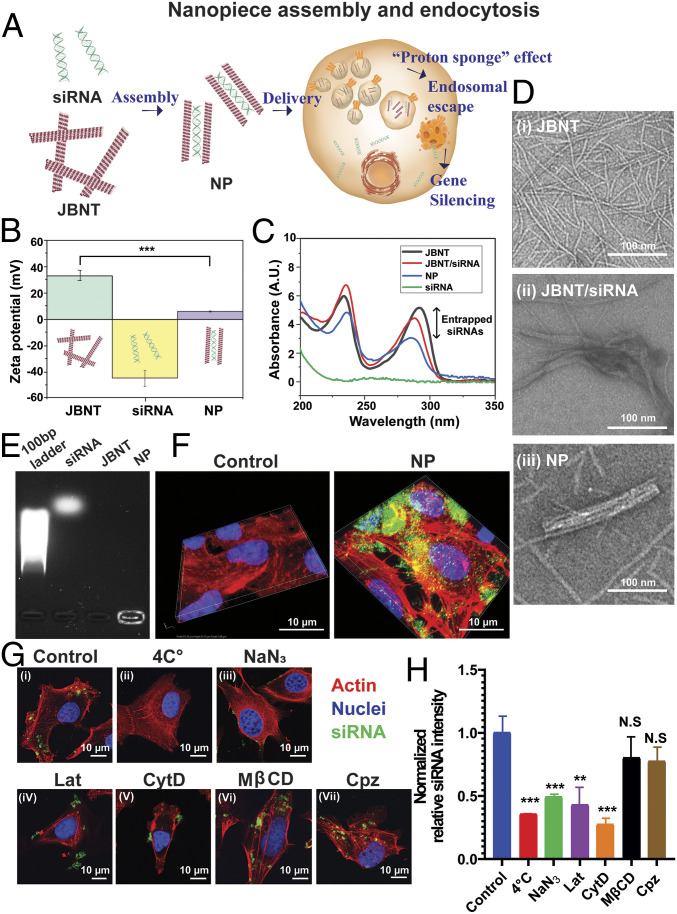
PNAS 2021
Connecting intracellular imaging with functional gene silencing using DNA-inspired nanomaterials.
First author
Lee et al., Fig. 1 · CC BY 4.0 · Unchanged
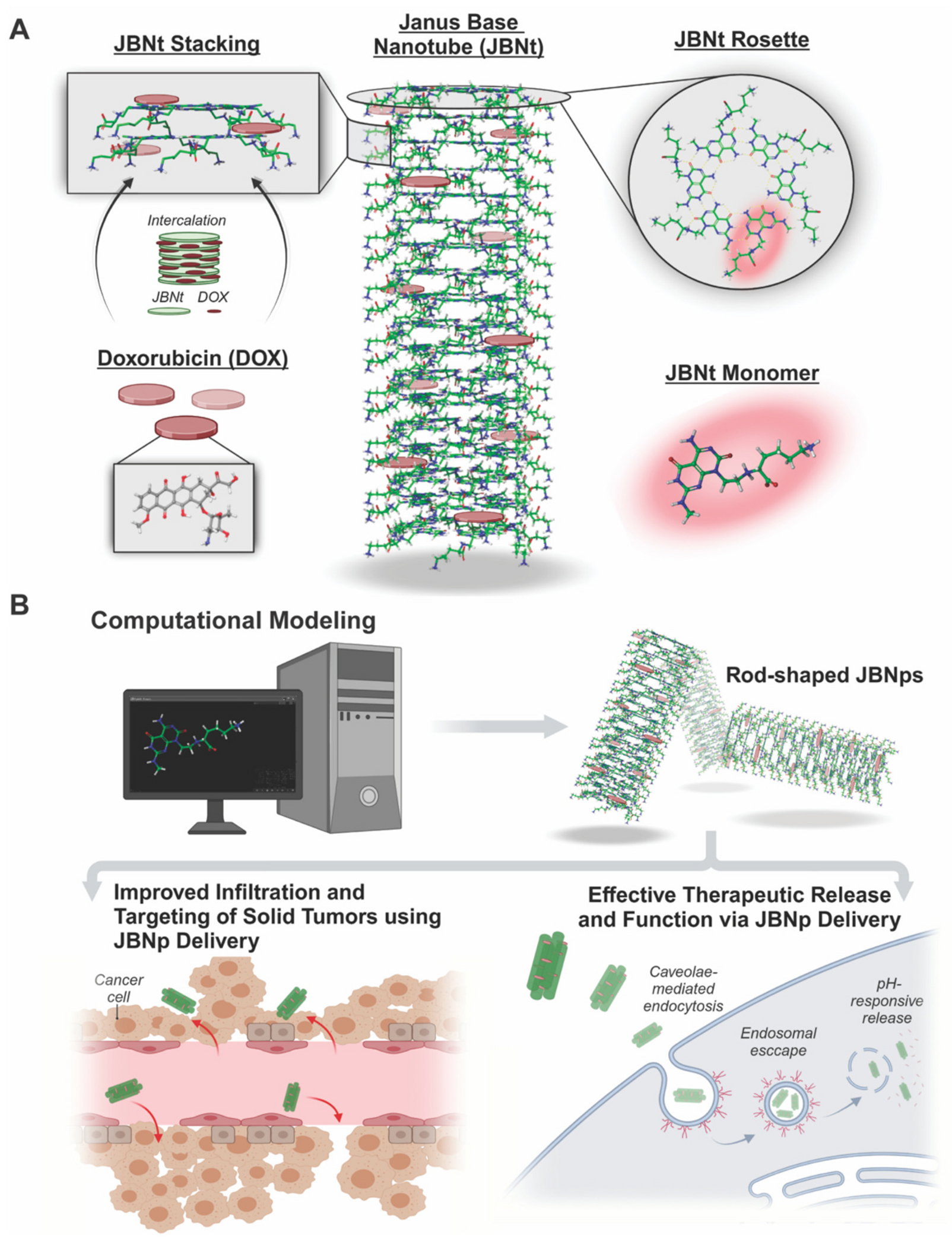
Journal of Controlled Release 2025
Combining computation-informed assembly with experimental evaluation of rod-shaped drug carriers.
Co-first author
Lee, Zhang et al., Fig. 1 · CC BY 4.0 · Unchanged
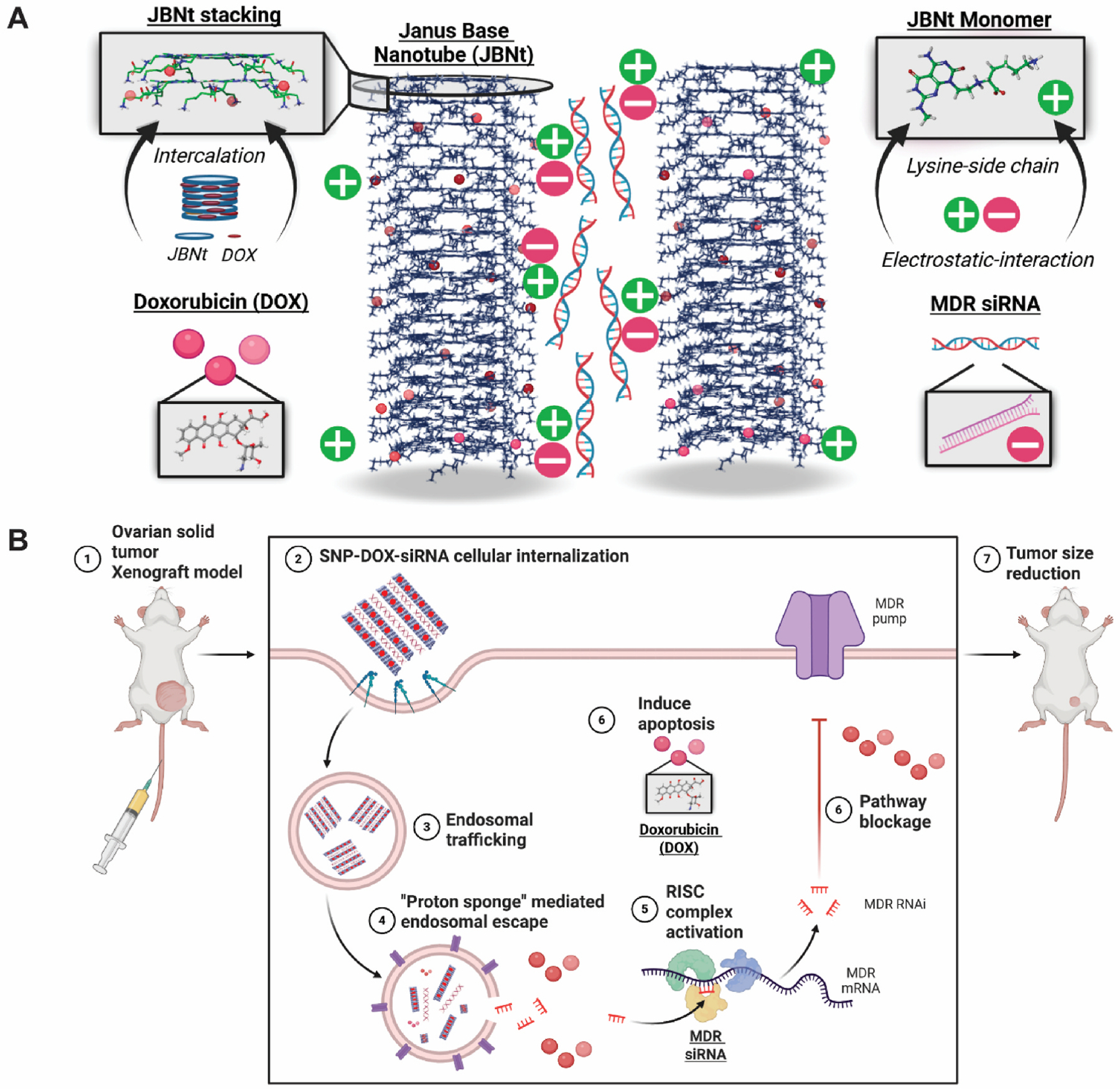
Materials Today Advances 2026
Investigating combination delivery to address multidrug resistance in preclinical cancer models.
Co-corresponding author
Zhai et al., Fig. 1 · CC BY 4.0 · Unchanged
News & recognition
I am pleased to share my selection as a BMRC/ORS Bethel Fellow. Announced by the Bethel Musculoskeletal Research Center, the fellowship supports early-career investigators advancing musculoskeletal research. My award begins in October 2026.
Read the fellowship announcementCo-corresponding author of our study on drug and siRNA co-delivery in Materials Today Advances.
UConn Technology Commercialization Services highlighted our therapeutic nanomaterials patent and its licensing to Eascra Biotech to advance targeted drug delivery.
Read the UConn patent announcementUConn Today highlighted our PNAS study on DNA-inspired nanomaterials that help RNA escape endosomes and function inside cells. The story was also shared by Phys.org.
Connect